

Set your garden up for a successful season

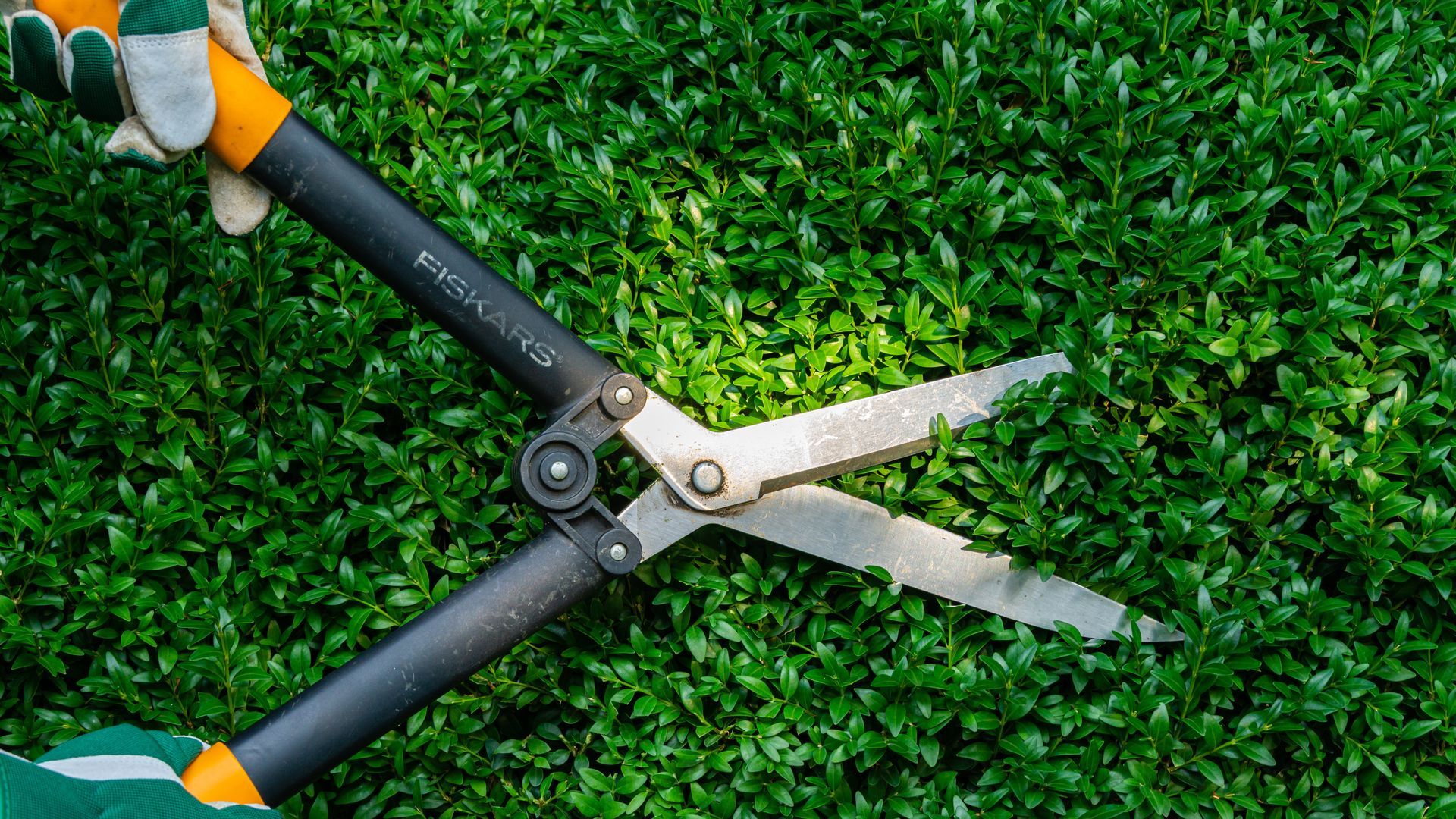
You deadheaded the roses. You pruned the apple tree. You tidied up the tomatoes. All afternoon in the garden, and it was a good day. Except you may have just sentenced half your plants to death. It's not dramatic — it's just how plant disease works. Contaminated pruning shears are one of the primary ways devastating diseases spread from plant to plant. And most gardeners have no idea it's happening until the damage is already done. The Invisible Problem on Your Blades Every time you cut into a diseased plant, your blades pick up fungal spores and bacteria. These pathogens don't die when they dry out. Fusarium spores can survive on metal surfaces for 30 days or more. Fire blight bacteria can remain viable on tools for up to two weeks. They're microscopic, they're silent, and they're waiting for the next plant you cut. By the time you see visible symptoms — wilting, blackened branches, oozing lesions — the disease has typically been established for days or weeks. And the tools you used to prune that 'healthy-looking' plant? They may have already spread the infection to five others. The Plant Diseases Most Often Spread on Tools These aren't obscure threats. They're the diseases plant pathologists lose sleep over, and they all spread efficiently on contaminated garden tools. Fusarium Wilt Fusarium oxysporum attacks over 100 plant species, including tomatoes, peppers, and strawberries. It enters through wounds — exactly the kind your pruning shears create — and invades the plant's vascular system, blocking water and nutrients. There is no cure. Once a plant is infected, removal is the only option. And Fusarium spores can persist in garden soil for over a decade. Fire Blight If you grow apples, pears, or roses, Fire blight is one of the most serious threats you face. This bacterial disease spreads aggressively on pruning tools during bloom and pruning season. One contaminated cut can infect an entire orchard. Commercial growers have lost millions to a single outbreak. Bacterial Canker Common on stone fruits and tomatoes, bacterial canker creates sunken lesions that girdle branches. It spreads invisibly between cuts, can overwinter in tool crevices, and often isn't visible until the damage is severe. Rose Rosette Disease Rose Rosette is spreading rapidly across North America, and it's 100% fatal to infected roses. It spreads through mites — and through contaminated tools. Once it's in your garden, it can move from bush to bush with every deadheading session. Why Most Gardeners Don't Sanitize (And Why That's Changing) The traditional recommendation is to dip tools in a 10% bleach solution between cuts. The problem? Bleach is corrosive, hazardous, inconvenient to mix, and degrades within hours in sunlight. The "gold standard" turns premium pruners into rust-pitted casualties and burns the hands of the gardener using them. Rubbing alcohol is often suggested as an alternative, but it evaporates too fast — typically within seconds — to achieve the contact time needed to actually kill fungal pathogens. It's the illusion of sanitization. The result: most gardeners skip tool sanitization entirely, because the available options are either too damaging or too inconvenient to use consistently. What Consistent Tool Sanitization Actually Looks Like Effective tool sanitization doesn't require mixing chemicals, carrying buckets, or wearing gloves. It takes about 10 seconds. The protocol used by professional growers, orchards, and commercial nurseries is straightforward: • Apply sanitizer to blades before starting work • Sanitize between plants when disease is present or suspected • Always sanitize after cutting diseased tissue • Apply before storing tools to prevent rust and eliminate any lingering pathogens The key is making the process frictionless enough that you actually do it. That's where the right product matters. RETAIN: The Professional's Choice for Tool Sanitization RETAIN Spray was developed specifically to eliminate the compromises that make traditional sanitization impractical. It's the first organic-certified, tool-safe, single-step solution that delivers lab-proven disease control, cleaning, lubrication, and rust protection in one spray. Independent laboratory testing showed RETAIN inhibited Fusarium oxysporum — one of the most resistant plant pathogens — at the same rate as 10% bleach. Same protection. No corrosion. No skin burns. No mixing. RETAIN is WSDA Organic Certified, Made in USA, and patent-pending. It's what professional orchards, nurseries, and rosarians trust when the health of their plants is on the line. Protect your garden from contaminated tools. Shop RETAIN on Amazon or Walmart — available in 2oz, 4oz, and 32oz sizes. The Bottom Line Your pruning shears are a precision tool and a potential disease vector. The difference between a thriving garden and a disease-ravaged one often comes down to a 10-second step between cuts. Your plants — and the years of work they represent — deserve that protection.
